


Quick Answer
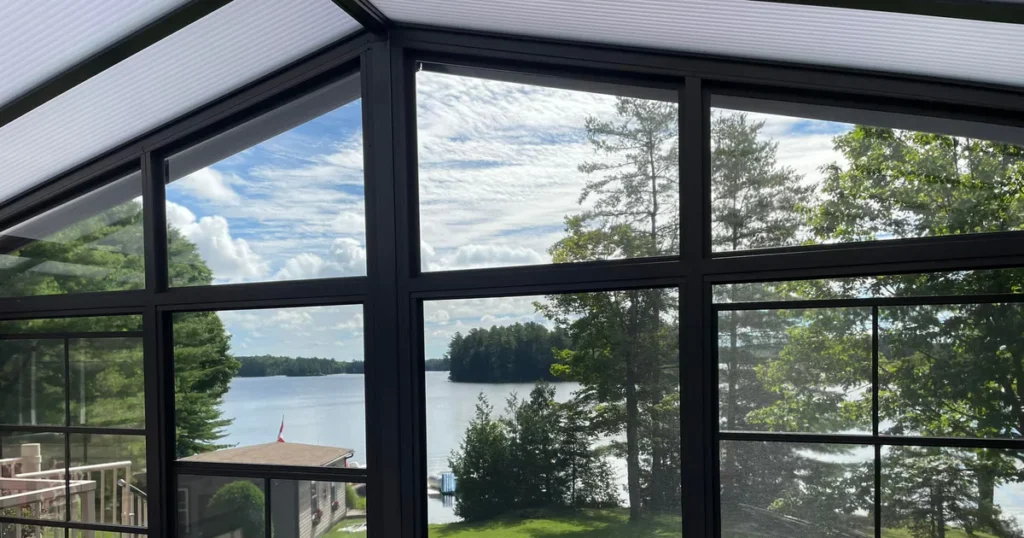
Learning how to increase sunroom ventilation on the Delaware Shore starts with opening your 4-track vinyl windows to their full 75% capacity. Position them for a cross-breeze, add a ceiling fan, and rely on full fiberglass mesh screens to keep biting greenheads out while fresh coastal air flows through the room.
A sunroom on the Delaware Shore should feel like the best seat in the house, cool and open to the salt air. Yet without the right approach, that same glassed-in space can trap heat and humidity by mid-afternoon. At Patio Systems, we build rooms designed to breathe with the coast, from Lewes to Fenwick Island. As Sussex County’s Backyard Living Specialist, we have spent over 23 years helping shoreline families enjoy fresh air without the bugs. Here is our practical, step-by-step guide to moving air through your room all season long.
Why Airflow Matters in a Coastal Sunroom
The Delaware coast brings two things in abundance: humidity and bugs. From Rehoboth Beach to Ocean City, MD, summer evenings that should be spent outdoors often send residents inside as mosquitoes and biting greenhead flies arrive at sunset. A well-ventilated room solves both problems at once, giving you bug-free living without sealing yourself off from the breeze.
Good airflow also protects your investment. Trapped heat and moisture are hard on furniture and finishes, while steady circulation keeps the space comfortable for reading, dining, or hosting friends. That comfort is exactly why a 3-season vinyl sunroom is built to open wide rather than stay shut.
Step 1: Master Opening 4-Track Vinyl Windows for Airflow
The heart of a breezy room is its window system. Our 3-season vinyl sunroom uses the WeatherMaster 4-track vinyl window and screen system, where each panel slides up or down effortlessly. When the units are fully stacked, they create a 75% ventilation opening, far more open air than a standard slider or a double-hung window can offer.
Begin by opening 4-track vinyl windows for airflow on the side facing the prevailing breeze. On the Delaware Shore, that is often the ocean or bay side. Slide the panels into their open position and let the full fiberglass mesh screen handle the insects while air pours straight in.
The glazing itself is built for repeated use. ViewFlex vinyl is more durable than glass and has been time-tested for over 40 years, so you can open and close those panels season after season without a second thought.
Step 2: Set Up Cross-Ventilation
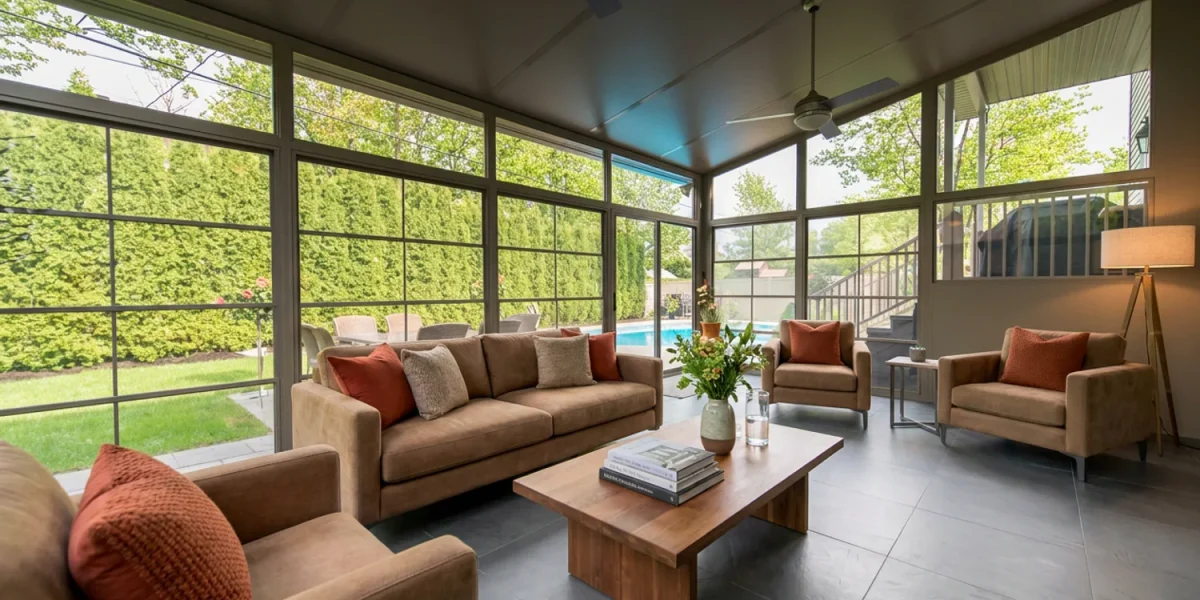
Air needs both an entrance and an exit. Opening windows on just one wall creates a stuffy pocket, so open panels on two opposite or adjacent walls to draw a current straight through the room. This cross-breeze is the single most effective way to cool a space naturally, no electricity required.
Next, position your seating out of the direct draft but still within reach of it. In most cases, aligning your open windows with the doorway into the house pulls cooler interior air outward in the evening and invites fresh coastal air inward during the day. That balance is something we build into every room.
Step 3: How to Increase Sunroom Ventilation With Fans and Shade
Windows do the heavy lifting, but a ceiling fan multiplies their effect. A gentle fan keeps air moving even on still, humid afternoons when the coast goes calm. Mount it centrally and run it counter-clockwise through the summer to push a cooling downdraft over your seating area.
Shade matters just as much. Choosing a vinyl tint in clear, smoke gray, dark gray, or bronze cuts solar heat gain before it builds inside. Pairing the room with exterior solar shades or an awning blocks the harsh afternoon sun, so the air you circulate stays cooler and more comfortable. Managing light this way makes every other step work harder.
Step 4: Keeping a Summer Sunroom Breezy After Sunset
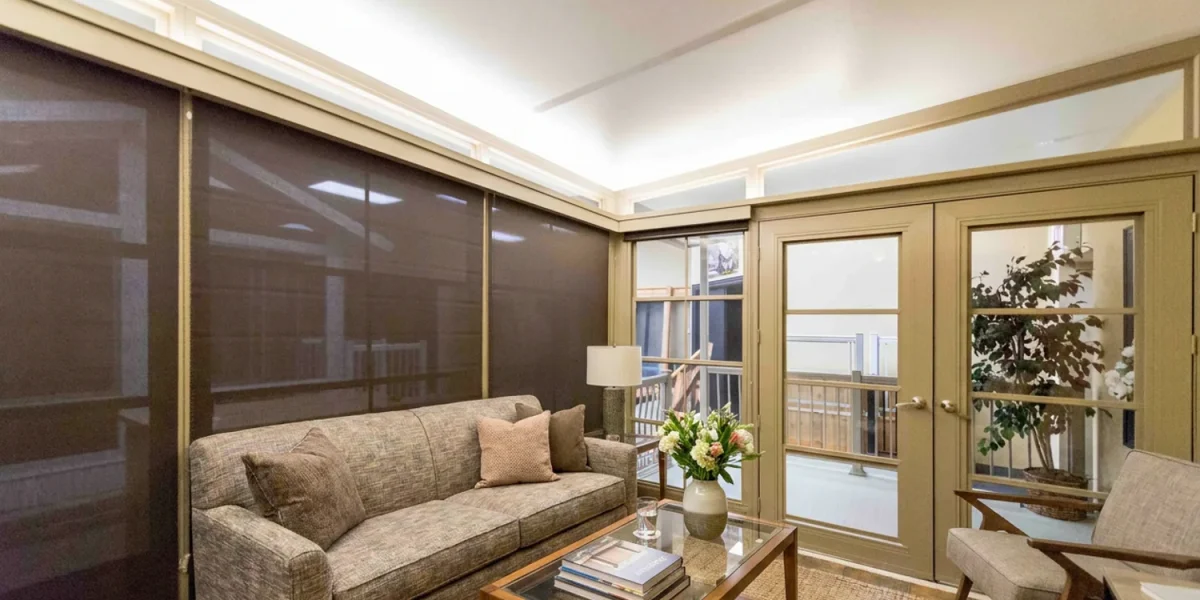
Sunset is when the Delaware Shore comes alive, and when the greenheads and mosquitoes do too. This is the moment your room truly earns its keep. With the full mesh screens in place, you can leave every panel open and enjoy the cooler evening air while the insects stay outside where they belong.
For maximum flow, open the low windows on the breeze side and the high or opposite windows as an outlet, which lets warm air rise and escape. If you prefer an even more open feel at the height of the season, a screen room offers full-screen walls, while a vinyl room lets you close up fast when a coastal storm rolls in.
Common Mistakes to Avoid
The most common error we see is opening windows on only one wall, which stalls the movement of air before it ever gets going. Another is skipping the ceiling fan and expecting the panels to move air on their own during a windless afternoon.
Homeowners also forget about seasonal shade. Leaving a clear-tinted room in full sun with no covering turns it into a greenhouse by noon. Finally, neglecting the screens, or leaving a small tear unrepaired, invites the very insects you built the room to escape.
FAQ
How much can 4-track vinyl windows really open?
Our 3-season vinyl sunroom’s window system slides to a full 75% ventilation opening. That means three-quarters of each window wall becomes open, screened air. Compared with a standard slider that opens roughly halfway, you get far more coastal breeze moving through the room, all while the fiberglass mesh keeps the bugs on the outside.
Will a vinyl sunroom keep out greenhead flies and mosquitoes?
Yes. Every panel is backed by a full fiberglass mesh screen, so you can leave the windows wide open at sunset and still enjoy bug-free living. That protection is a big reason Delaware Shore families choose an enclosed room over an open patio once greenhead season arrives in mid-summer.
Does window tint affect airflow and comfort?
Tint does not change airflow directly, but it lowers heat gain, which keeps the space cooler and more comfortable. We offer clear, smoke gray, dark gray, and bronze. A darker tint reduces glare and solar heat on sun-facing walls, so the breeze you invite in genuinely feels cooler.
Can I use my sunroom for ventilation year-round?
A 3-season vinyl sunroom is designed for spring, summer, and fall enjoyment. During warm months you can open it fully for airflow, and in cooler weather you close the panels to block wind and rain. For true winter comfort, an insulated sunroom with glass would be the better fit for your home.
Conclusion
Fresh, moving air is what turns a glassed-in room into your favorite spot on the Delaware Shore. By opening your windows fully, building a cross-breeze, adding a fan, and managing shade, you master how to increase sunroom ventilation from Lewes to Ocean View.
At Patio Systems, we design every 3-season vinyl sunroom to breathe with the coast and keep the greenheads out.
Experience the Patio Systems Difference and request your quote today.